
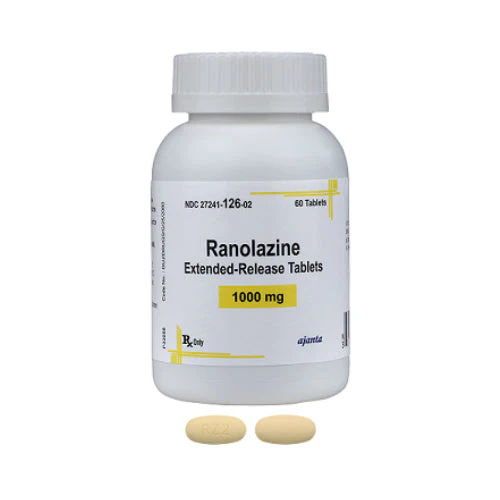
What does Ranolazine do?
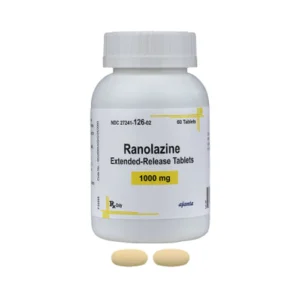
Ranolazine (Ranexa) is indicated for the treatment of chronic angina to improve blood flow, allowing the heart to function more effectively. It should not be utilized during an acute angina attack.
Ranolazine is a prescription medication primarily used to treat chronic angina (chest pain caused by reduced blood flow to the heart). It works differently from traditional anti-anginal medications by helping heart cells function more efficiently during periods of reduced oxygen supply.
Ranolazine is widely recognized for its ability to improve exercise tolerance, reduce angina episodes, and enhance quality of life in patients with coronary artery disease.
How Ranolazine Works
Ranolazine selectively inhibits the late sodium current in cardiac cells. By reducing sodium overload within heart muscle cells, it helps decrease calcium accumulation, improving myocardial relaxation and reducing oxygen demand.
Key benefits include: Ranolazine
- Supports healthy cardiac function
- Helps reduce chronic angina symptoms
- Improves exercise performance
- May decrease the frequency of chest pain episodes
- Can be used alongside other cardiovascular medications
Potential Benefits of Ranolazine
Chronic Angina Management
Ranolazine is most commonly prescribed for patients experiencing chronic stable angina. Clinical studies have shown that it can reduce angina frequency and improve exercise capacity.
Improved Quality of Life
Many patients report fewer limitations in daily activities due to reduced chest discomfort and improved endurance.
Metabolic Efficiency
Research suggests that Ranolazine may improve cardiac energy utilization, allowing the heart to function more efficiently under stress.
Additional Research Areas
Researchers continue to investigate Ranolazine’s potential role in:
- Arrhythmia management
- Microvascular angina
- Ischemic heart disease
- Cardiometabolic health
- Diabetic cardiovascular complications
Why Researchers Are Interested in Ranolazine
Ranolazine has gained significant attention because of its unique mechanism of action. Unlike many traditional anti-anginal therapies, it generally has minimal effects on heart rate and blood pressure, making it an attractive option for specific patient populations.
Ranolazine Research Applications
Current scientific interest includes:
- Cardiac metabolism research
- Coronary artery disease studies
- Angina treatment optimization
- Vascular function research
- Cardiovascular performance studies
- Cellular energy regulation
Conclusion
Ranolazine remains an important medication in modern cardiovascular care and continues to be studied for its effects on cardiac function, angina relief, and metabolic efficiency. Ongoing research may further expand its potential applications in cardiovascular medicine.
Reviews
There are no reviews yet.